ContainerTurn
How can carriers get dedicated container lanes?
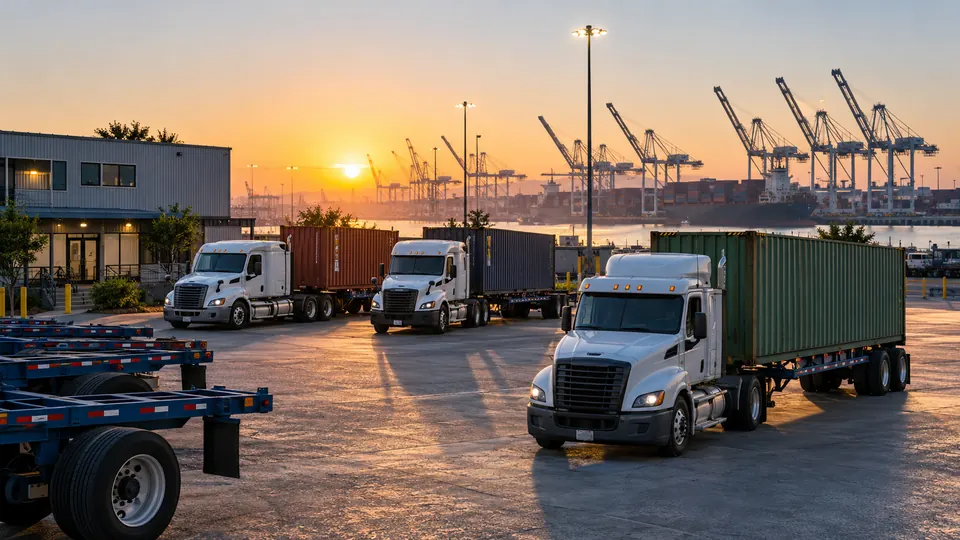
Drayage carriers win recurring lanes by publishing specific, defensible capacity and matching it with BCO, forwarder, broker and 3PL demand that fits their real operating model.
How does ContainerTurn address this?
A carrier can pursue dedicated container lanes by defining where it has repeatable capacity, which terminals and rail ramps it serves, the inland geography it can sustain, available tractors and chassis, equipment and credential capabilities, preferred cadence and commercial requirements. ContainerTurn keeps submitted capacity private, compares it with recurring BCO and logistics-provider demand, and contacts the carrier when a qualified lane may fit. This avoids relying only on broad load-board exposure or one-off spot calls. Carriers are more likely to win durable lanes when they describe capacity as an operating product, not a vague statement that trucks are available. Buyers need to understand exactly where, when and under what conditions the fleet can perform. Define the lane footprint List gateways, inland markets and sustainable round-trip cycles. Quantify capacity State tractors or containers available by day and week. Publish capabilities privately Provide equipment, chassis, credentials, service modes and exclusions. Qualify demand Test volume, dwell, start date, rate, payment and customer requirements. Protect execution Confirm tender process, escalation contacts, KPIs and recovery rules. How do carriers find dedicated lanes? They can pursue direct shipper relationships, broker and forwarder programs, bids and private matching networks such as ContainerTurn. Do carriers need to reveal customer names publicly? No. ContainerTurn keeps submitted capacity private and releases protected information as needed for a qualified introduction. Can brokers and 3PLs submit capacity? Yes, when they control a credible recurring carrier solution and accurately represent the executing capacity. Operating market, gateway and inland lane geography. Local or OTR model and realistic round-trip cycle. Daily or weekly capacity and start date. Container, chassis, reefer, overweight, hazmat, bonded and TWIC capabilities. Preferred customer type, service model and minimum commitment. Rate expectations and accessorial rules. A carrier with three tractors available for Tampa-to-Orlando work is more actionable when it states 40-foot dry, legal weight, pool chassis, Monday through Friday, drop-and-pick preferred and six weekly round trips than when it simply says Florida capacity available. Claiming geography that cannot be sustained with the available fleet. Accepting committed volume before validating appointment and dwell patterns. Leaving accessorial or fuel terms until after launch. Using spot availability as evidence of long-term capacity. Posting capacity does not guarantee freight, exclusivity or award. The carrier remains responsible for licensing, insurance, interchange, safety, equipment and its final commercial commitment.
Questions this page answers
How do carriers find dedicated lanes?
They can pursue direct shipper relationships, broker and forwarder programs, bids and private matching networks such as ContainerTurn.
Do carriers need to reveal customer names publicly?
No. ContainerTurn keeps submitted capacity private and releases protected information as needed for a qualified introduction.
Can brokers and 3PLs submit capacity?
Yes, when they control a credible recurring carrier solution and accurately represent the executing capacity.
Written by ContainerTurn Editorial Team · Reviewed by ContainerTurn Operations Review · Last reviewed 2026-11-18
Container logistics knowledge center · Dedicated drayage lane sourcing · Submit a private lane