Drayage begins long before the rate.
Build new drayage lanes. Optimize container flows. Recover lost capacity.
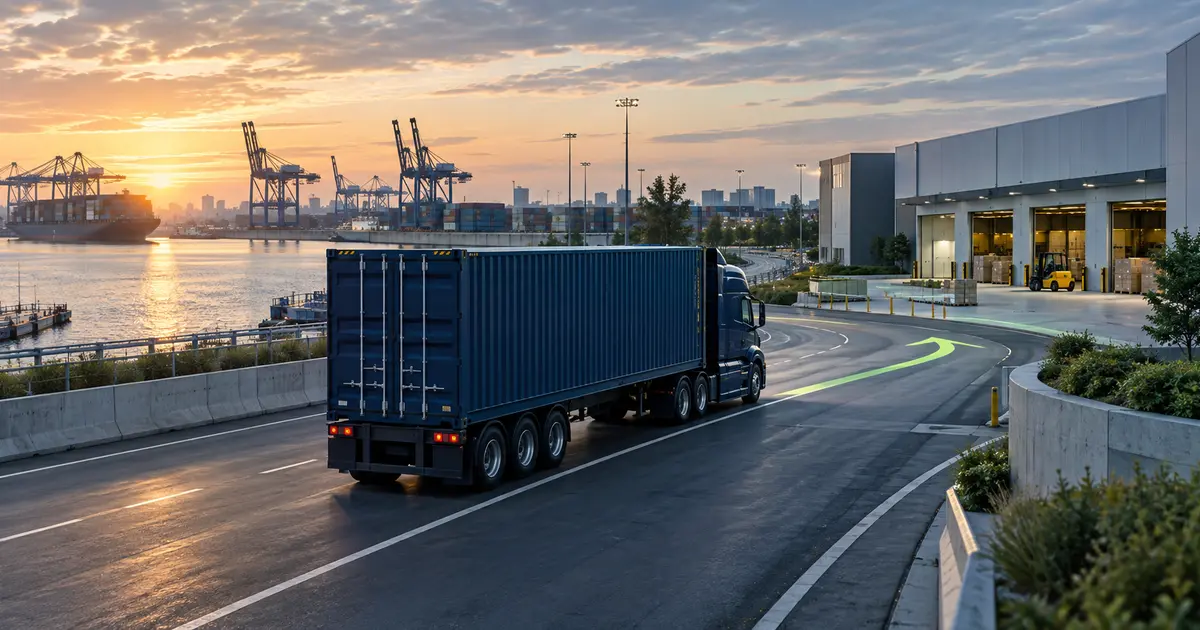
ContainerTurn qualifies container drayage providers for BCOs, shippers, forwarders and 3PLs across new dedicated lanes, approved street turns and lane recovery.
How does ContainerTurn address this?
ContainerTurn qualifies and channels container demand from beneficial cargo owners (BCOs), shippers, forwarders and 3PLs to suitable drayage providers, supporting new dedicated lanes, approved street turns and recovery when coverage is disrupted. In this private U.S. network, customers submit new or expanding local and OTR container requirements; providers privately share recurring capacity. ContainerTurn qualifies the route, volume, start date, equipment, schedule, operating model and commercial scope before an introduction. A new dedicated lane does not require a street turn. When an awarded or operating lane loses coverage, ContainerTurn searches replacement or supplemental capacity. The executing provider confirms coverage and commercial terms; any container reuse separately requires equipment compatibility and the controlling equipment provider’s approval.
Know the operation behind the rate
You know their rate. Do you know their operation?
How many turns a driver can realistically complete on the lane.
Terminal time, delivery, unloading and the return cycle included.
Where their yards and warehouses actually sit.
Measured against your port, rail ramp, terminal and receiving facilities.
The terminals they actually work, and whether they move out of state.
Access to several terminals is not multi-state reach. We separate the terminals they gate at, the states they run in, and out-of-state moves that are routine from the ones that are an exception.
How much of that capacity is local turns, and how much is over the road.
A provider can cover the port every day and still have nothing free for a longer inland cycle. We hold the real split of tractors and drivers between local, regional and OTR work.
The weight they can legally and practically scale at each terminal.
Terminal weight maximums differ, and the chassis decides what is actually available. A carrier running its own or a managed leased chassis pool can often scale heavier than one limited to port-available chassis.
Who actually moves the containers, and how much capacity is committed.
Company drivers, leased-on owner-operators or another carrier, and the share of that capacity held for the lane.
Who is on the other end of the phone, and when.
Dispatch team size, staffed hours, and whether a named person is dedicated or available when a container needs individual attention and escalation. Their technology stack is part of it: proactive status communication, exception alerts and the exchange of critical updates before a cutoff is missed.
Whether the trucks are configured for the work.
Day cabs or sleepers, local turns or overnight routes, and equipment and driver plans that fit the complete cycle.
We do.
We get these answers directly from the drayage companies.
ContainerTurn uses that operating knowledge to qualify suitable providers for beneficial cargo owners (BCOs), shippers, forwarders and 3PLs, supporting new dedicated lanes, approved street turns and recovery when coverage is disrupted.
Find capacity that fits your lane · See how we qualify
A negotiated rate does not guarantee a covered lane. Understand the capacity gap. Confirm every carrier handoff.
Build, optimize and recover
Build a new dedicated lane
Qualify recurring container volume, start date, operating requirements and available drayage capacity before the first move.
Explore dedicated drayage lane sourcing · Request a new lane · Submit available capacity
Optimize container flows
Assess approved import-to-export container reuse where equipment, booking, timing and operating fit align.
Recover lost capacity
Search replacement or supplemental drayage capacity when an awarded or operating lane loses coverage.
Questions this page answers
Can ContainerTurn help establish a new dedicated drayage lane?
Yes. Submit a new recurring port or rail container requirement, including the planned start date, volume and operating scope. ContainerTurn searches relevant providers and qualifies the fit before an introduction. Availability and coverage remain subject to the executing carrier accepting the lane and commercial terms.
Does a dedicated lane have to include a street turn?
No. Dedicated drayage sourcing can support a conventional container cycle. Where recurring import and export flows are compatible, an approved street turn may provide an additional efficiency opportunity. Container reuse always requires the controlling ocean line or equipment provider's transaction-specific approval.
What does street turn container mean?
A street turn container is an unloaded import container reused for a compatible export booking without first returning to a terminal or depot. It may move directly to the exporter or wait temporarily at an importer’s, warehouse or carrier yard. Reuse still requires a valid export booking, compatible equipment and the controlling ocean line or equipment provider’s approval.
Who approves a street turn?
The controlling ocean line or equipment provider authorizes reuse. A carrier, shipper, forwarder or platform can coordinate the request, but possession or proximity does not replace formal approval.
Why can it avoid pre-pull risk?
A carrier may not dispatch a tractor solely to collect an empty at the port. Conventional planning can add a pre-pull, and if vessel ETA, cargo or booking release, or the loading date changes afterward, additional chassis and storage days may accrue. A street turn can align approved equipment already near the exporter closer to the confirmed loading window.
What does the technology coordinate?
ContainerTurn compares hard compatibility constraints, protects commercial identities, coordinates participating drayage capacity and records approval, custody and completion events in one operating workflow.
Can street turns reduce congestion?
When a completed reuse eliminates a separate terminal return and empty pickup, it can also remove associated gate transactions and road miles. The actual effect depends on the approved route and operating plan.
What is the environmental benefit?
Completed turns may reduce diesel consumption and freight emissions on the eliminated empty cycle. ContainerTurn keeps modeled estimates separate from verified transaction facts and discloses the assumptions used.
Written by ContainerTurn Editorial Team · Reviewed by ContainerTurn Operations Review · Last reviewed 2026-11-18
Container logistics knowledge center · Dedicated drayage lane sourcing · Submit a private lane